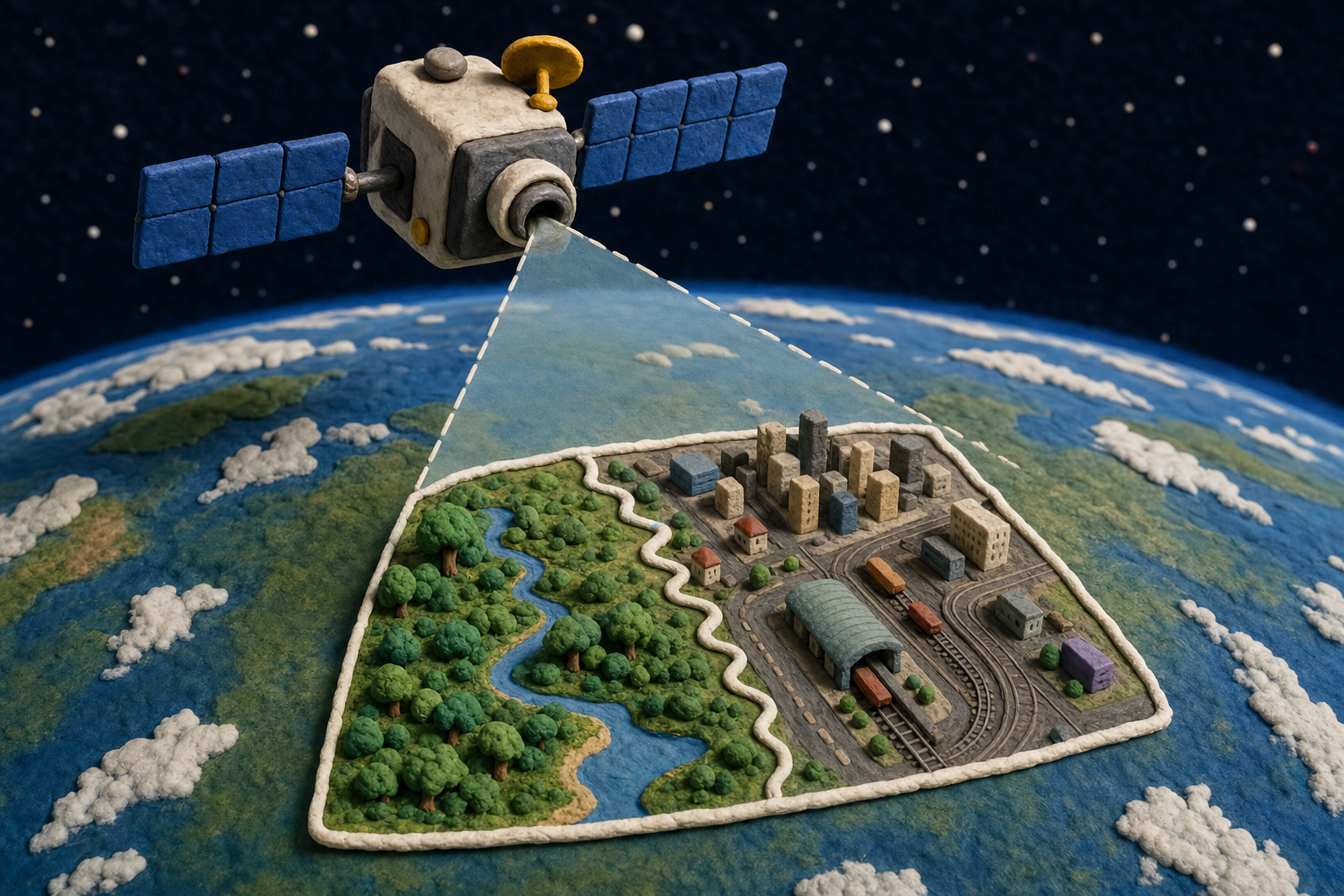
In April 2026, aboard Loft Orbital's Earth-observation satellite "YAM-9," Google DeepMind's vision-language model "Gemma 3" autonomously identified regions of interest within sensor data in response to natural-language queries. It is described as the first reported case of a satellite "finding what to look for" on its own, without a human analyst on the ground. The demonstration used a software package called "NAVI-Orbital," developed by NASA's Jet Propulsion Laboratory (JPL), with the model running on an Nvidia Jetson Orin AGX GPU carried by YAM-9. Details
Continue reading
The rest of this article is for AI News Blitz readers. Choose an option below to keep reading.
Already purchased? Sign in✓ Signed in — this article isn’t included in your current plan.
Unlocking the full article...
Contact us
Questions, corrections, or ideas? Send us a message here. We aim to reply by email within 24 hours.
Thank you. Your message has been sent. We aim to reply by email within 24 hours.Please enter your email address and a message.We could not send your message. Please try again in a little while.